
A leaking roof is stressful enough without wondering whether your insurance will pay for it. This guide explains what home insurance usually covers, what it usually doesn’t, and how to give your claim the best chance of being accepted.
Every policy is different, so always check your own policy documents or call your insurer. This is general guidance, not advice on any particular policy.
Will my home insurance cover a leaking roof?
It depends on why the roof is leaking.
Usually covered
- Storm damage. Tiles or slates blown off, a ridge lifted, or a chimney damaged in high winds. Most insurers have their own definition of a storm, often based on wind speed or heavy rainfall, so check what yours says.
- Sudden, one-off damage. For example, a fallen tree or branch, or something hitting the roof.
- Damage to the inside of your home. Ceilings, walls, flooring and belongings damaged by the water, usually under your buildings and contents cover. In some cases the insurer will pay for the internal damage even when it won’t pay for the roof repair itself.
Usually not covered
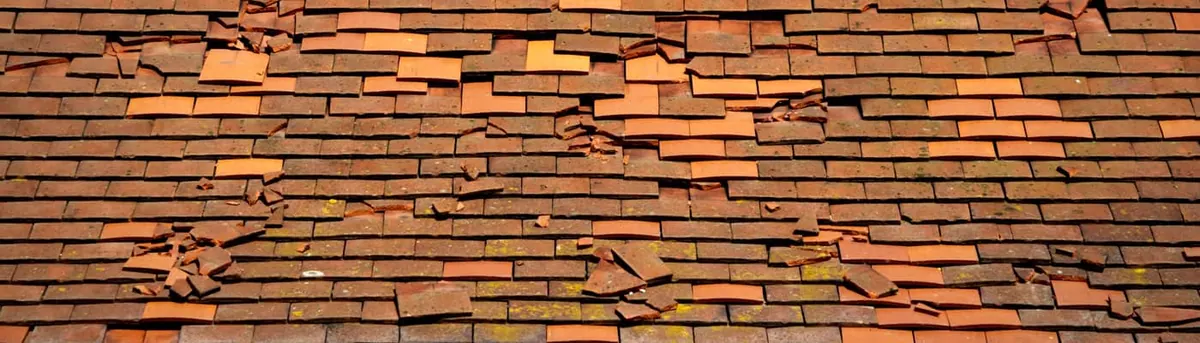
- Wear and tear. Roofs don’t last forever. If the leak is caused by old, porous tiles, perished felt, worn mortar or corroded flashing, most insurers will see it as maintenance rather than an insured event.
- Gradual damage. A slow leak that has been going on for months, often spotted by staining or rot, is usually excluded.
- Poor workmanship. Damage caused by a bad repair or installation is normally a matter for the roofer who did the work, not your insurer.
- Lack of maintenance. Blocked gutters, moss build-up or a slipped tile left unrepaired can all be used to turn a claim down.
Storm damage claims are often refused because the storm only exposed a problem that was already there. If a strong wind lifts tiles that were already loose or badly fixed, an insurer may decide the real cause was the roof’s condition, not the weather.
Trace and access cover
Some policies include “trace and access”, which pays to find the source of a leak, including any work needed to get to it. It’s more common for leaking pipes than roofs, but it’s worth checking whether your policy includes it and what the limit is.
What to do when your roof starts leaking
- Stop the damage spreading. Put down buckets and towels, move belongings, and turn off the electrics in the affected area if water is near lights or sockets. Your policy will expect you to take reasonable steps to limit the damage.
- Take photos and videos. Record the damage inside and, if you can see it safely from the ground, the roof outside. Note the date and time, and keep a note of the weather. Don’t climb onto the roof yourself.
- Call your insurer early. Most policies require you to report a claim promptly. Ask whether they want to send their own contractor or loss adjuster, and whether you can get an emergency repair done straight away.
- Arrange an emergency repair if needed. Insurers usually expect you to stop further water getting in, and most will cover a reasonable temporary repair. Keep the invoice. Our emergency roof repairs service can make a roof watertight quickly.
- Keep everything. Receipts, invoices, photos, the roofer’s report and any damaged materials the insurer may want to see.
- Get a written report on the cause. A roofer’s report on what caused the leak, with photos, helps the insurer decide whether it’s an insured event. We can provide one for you (see below).
How the claim usually works
After you report the claim, the insurer may ask for photos and quotes, send a loss adjuster to inspect the damage, or use one of its approved contractors. Some insurers let you choose your own roofer; others will only pay in full if you use theirs. Ask before you agree to any work beyond an emergency repair.
If the claim is accepted, the insurer will either pay the contractor directly or pay you, minus your excess. If it’s turned down, ask for the reason in writing. You can complain to the insurer, and if you’re still unhappy, take it to the Financial Ombudsman Service, which is free.
How DPR can help with your claim
We help homeowners and landlords across Leeds with roof insurance claims. After inspecting the roof, we can give you a full written report with photos and video, explaining the damage, what caused it, and the repairs needed, along with a quote for the work. That’s usually the evidence your insurer or loss adjuster asks for, and it gives your claim the best chance of being dealt with quickly.
If the roof is still letting water in, we can carry out an emergency repair first to stop further damage, and include it in the report.
How to avoid your claim being turned down
The best protection is a roof that’s clearly been looked after:
- Have the roof checked every year or two, and after major storms
- Keep gutters clear, so water doesn’t back up under the roof covering
- Get slipped or cracked tiles, cracked mortar and damaged flashing repaired promptly
- Keep records of inspections and repairs, with dates and invoices
If you’re buying a house, check the roof before you buy, as many problems with older roofs are wear and tear that insurance won’t cover. Our guide on how to check the roof before buying a house explains what to look for.
Signs your roof may be about to leak
You can spot many problems from the ground or the loft, without climbing onto the roof:
- Slipped, cracked or missing tiles or slates
- Gaps in the ridge or crumbling mortar
- Gutters overflowing or sagging
- Damp patches or staining on ceilings, especially upstairs
- Daylight, damp timbers or wet insulation in the loft
Our posts on the five steps to take when your roof is leaking and how to find a leak in your roof go into more detail.
Get your roof repaired properly
Whether or not your insurer pays, a leak needs repairing properly rather than patched. For help with a claim, ask us for a roof report when you get in touch. We carry out roof repairs across Leeds and West Yorkshire, from around £150, and can provide a roof survey if you need a full picture of the roof’s condition.
Call us on 0113 335 0043 or send us your details.